
GST Registration in India
Understanding when GST registration becomes compulsory is crucial for business owners, freelancers, consultants, traders, and online sellers in India. Non-compliance can result in penalties, while timely registration ensures smooth business operations and eligibility for input tax credit.
Let’s simplify it.
What Is GST Registration?

GST registration is the process by which a business obtains a GSTIN (Goods and Services Tax Identification Number) from the government. Once registered, the business must collect GST from customers and file periodic GST returns.
1️⃣ Turnover-Based GST Registration Limits
GST registration becomes mandatory when your aggregate annual turnover exceeds the prescribed threshold.
For Goods Suppliers
- ₹40 lakh (in most states)
- ₹20 lakh (in some special category states)
For Service Providers
- ₹20 lakh (in most states)
- ₹10 lakh (in special category states)
Important:
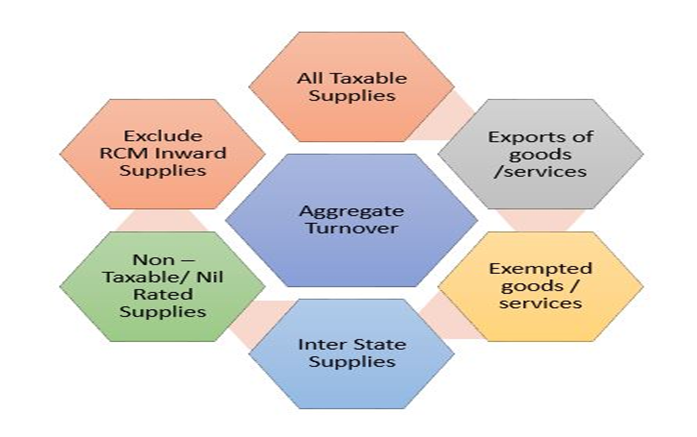
Aggregate turnover includes:
- Taxable sales
- Exempt sales
- Exports
- Interstate supplies
It is calculated on a PAN basis across India.
2️⃣ When Is GST Registration in India Mandatory?
In certain situations, GST registration is compulsory regardless of turnover:
- Interstate supply of goods
- Selling through e-commerce platforms (Amazon, Flipkart, etc.)
- Liable under Reverse Charge Mechanism (RCM)
- Input Service Distributor (ISD)
- Casual taxable person
- Non-resident taxable person
- TDS/TCS deductors
- Agents supplying goods on behalf of others
If you fall under any of these categories, registration is required even if turnover is very small.
3️⃣ Voluntary GST Registration
You may register voluntarily even if turnover is below the threshold.
Businesses often choose voluntary registration to:
- Claim Input Tax Credit (ITC)
- Deal with larger corporate clients
- Improve business credibility
- Expand interstate operations
Once registered voluntarily, all GST compliance rules apply.
4️⃣ Time Limit for GST Registration
You must apply for GST registration within:
30 days from the date you become liable.
Delaying registration may result in penalties.
5️⃣ Penalty for Not Registering
If you are liable but fail to register:
- 10% of tax due (minimum ₹10,000), or
- 100% of tax due in case of fraud or intentional evasion
This can significantly impact small businesses.
Practical Example
If you are a consultant earning ₹22 lakh in a financial year → GST registration is mandatory.
If you sell goods and cross ₹40 lakh turnover → Registration required.
If you sell goods through Amazon → Registration required even below ₹40 lakh.
Final Thoughts
GST registration is not only about crossing turnover limits. Certain business activities automatically trigger mandatory registration. Every business owner should regularly monitor turnover and understand compliance requirements to avoid penalties.
Being proactive ensures smoother operations and better financial planning.
Disclaimer
This article is for informational purposes only and should not be considered legal or tax advice. Readers are advised to consult a qualified tax professional before making any GST-related decisions.
You may also read our detailed guide on HUF tax planning : “How to Save Tax Using HUF in India – Simple Guide for Families” – Ipounlock
Pingback: IT Rules 2026 Revised Forms: Structural Recasting of Income Tax Forms Explained